In what way a Tailored Website Redesign Enhances SEO Performance
A custom website redesign can do much more than refresh the appearance of a site. When it is built around SEO performance, it becomes a strategic upgrade that improves organic traffic, enhances search visibility, and supports better lead generation. For businesses that rely on web design, SEO services, and overall digital marketing to grow, redesigning with search intent in mind can produce measurable gains across the funnel.
That matters especially for companies in Hempstead, NY, where competition spans local providers, retail brands, and professional firms across Nassau County and Long Island. In this market, the best redesigns are not just attractive. They are built by teams that know technical SEO, mobile-first design, Core Web Vitals, and the role AI experts can play in making redesign decisions smarter and more data-driven.
Sunstone Digital Tech34 Willis Ave, Mineola, NY 11501
(315) 758-3349
https://maps.app.goo.gl/raW1XN7K3jzLKAPz9
https://sunstonedigitaltech.com/hempstead-digital-marketing-agency
40.7400795, -73.6357138
Why SEO-Focused Website Redesign Makes a Difference
An SEO-focused redesign aligns appearance, functionality, and content strategy with how search engines evaluate websites. If a new site improves organic search rankings, improves user experience, and boosts conversion rate optimization outcomes, it is doing more than looking modern. It is improving the ranking signals that drive long-term growth.
Search engines reward websites that offer clear navigation structure, strong content hierarchy, and fast, stable experiences. That means the redesign process should be guided by a technical audit before design mockups are finalized. Site owners often focus on colors and layouts first, but the real performance gains come from decisions that support crawlability, indexing, and semantic relevance.
From a business perspective, SEO-focused redesigns tie together the visual layer of web design with measurable outcomes like phone calls, form fills, and quote requests. That is why a strong redesign should be planned alongside SEO services and digital marketing, not after the launch.
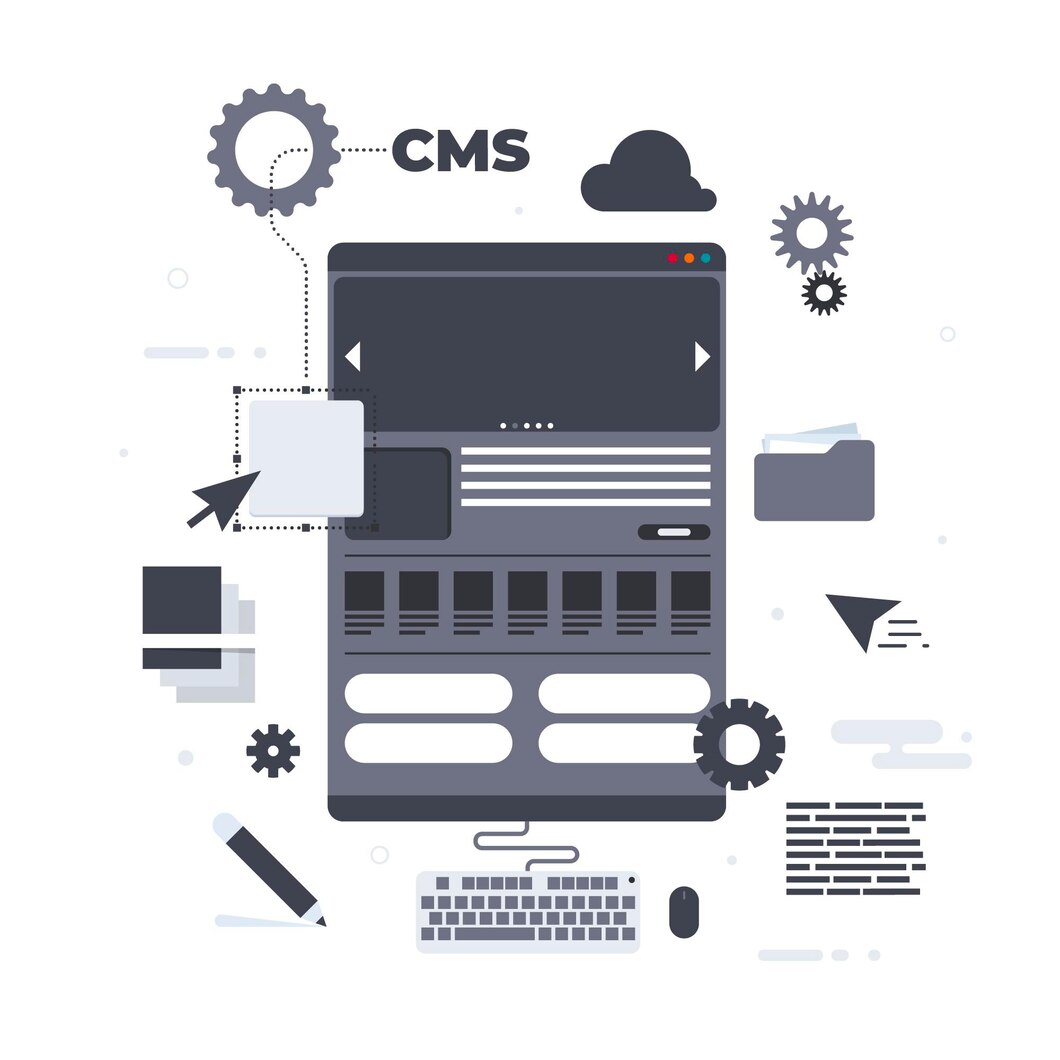
In practice, this means enhancing the site’s structure, reducing friction in the user journey, and building around the queries customers actually use. When those elements work together, the site becomes easier to find, easier to use, and more effective at moving visitors toward action.
Main Indicators Your Current Site Is Damaging Performance
If your website is lagging, there are usually visible warning signs. A very common sign is slow page speed, which can weaken the page experience and raise abandonment before users even read your content. If pages take too long to load, visitors are more likely to leave, which can increase bounce rate and limit the number of opportunities for capturing leads.
A further sign is weak mobile-friendly usability. If buttons are difficult to tap, text is tiny, or layouts break on smaller screens, your site may struggle to support modern search behavior. Since much of search activity now happens on mobile devices, a site that does not perform well can lose both users and rankings. This is where responsive layout and mobile usability improvements become essential.
An stale design can also send the wrong signals. A site that feels old may undermine trust, especially in competitive local markets. But the issue is not only appearance. Older sites often have thin pages, weak metadata, confusing paths, and poor content organization. Those problems affect search ranking signals and can make it harder for search engines to understand your offerings.
During a redesign, businesses should look for signs that users are struggling to find key information. High exit rates on service pages, low engagement, poor click-through performance, and poor mobile conversion rates often point to a combination of design and SEO issues that need to be fixed together.
Bespoke Web Design Components That Strengthen SEO
Effective custom website redesign efforts begins with the framework of the site itself. Strong site architecture helps for both users and search engines to move through content. A clean framework assists in allocate authority, clarifies priorities, and improves the way visitors travel from broad service pages to specific solutions.
Internal linking is one more important part of the redesign. Strategic links lead users to related pages, reinforce topical clusters, and enable search engines understand relationships between pages. This improves crawlability and can improve the performance of both core pages and supporting content.

Structured data also plays a major role. By applying schema markup where appropriate, a site can provide additional context about services, locations, reviews, and business details. That added context can help how search engines interpret the site, which may result in richer search results and stronger visibility.
The final element is content hierarchy. Pages should deliver information in a logical order that aligns with user intent. Headings, subheadings, calls to action, and supporting sections should work in tandem so visitors can move through the page naturally. When the hierarchy is clear, both usability and SEO strengthen because content becomes easier to read, understand, and index.
Mobile-First Design and Core Web Vitals
Mobile-first indexing means search engines primarily evaluate the mobile version of a site. Because of that, redesign planning should begin with mobile layouts, not desktop pages adapted later. A truly mobile-first design enhances usability across devices and creates a better foundation for search performance.
A pair of the most important metrics to watch are LCP and CLS. LCP, or Largest Contentful Paint, measures how quickly the main content appears. If it is too slow, users may assume the page is broken or untrustworthy. CLS, or Cumulative Layout Shift, measures unexpected movement on the page. Poor stability can frustrate users and damage the overall page experience.
Enhancing these Core Web Vitals often requires performance optimization during the design and development process. Images may need compression, scripts may need trimming, and page layouts may need to be streamlined. These adjustments strongly support both user experience and SEO performance, especially on mobile networks where speed becomes even more important.
Accessibility and Crawlability Enhancements
Accessibility enhancements often overlap with SEO best practices. Applying semantic HTML helps establish the meaning of page elements, making the content more accessible to screen readers and easier for search engines to parse. This improves crawlability while also encouraging a more inclusive experience.
Carefully written alt text is another key detail. It provides context for images and supports both accessibility and image search relevance. In a redesign, every important visual should be evaluated to ensure it contributes value and supports to the page’s message.
Navigation usability plays a major role as well. If users cannot quickly find a service, location, or contact page, they are less likely to stay engaged. Clear menus, visible calls to action, and intuitive paths strengthen the user journey and help search engines understand the site’s structure. Accessibility and SEO often share the same goal, seen from different angles.
SEO Solutions to Complement a Site Redesign
A redesign delivers the strongest results when it is paired with targeted SEO services. A key early step is keyword research, which uncovers the terms and phrases customers use at different stages of the buying journey. This research shapes page topics, headings, metadata, and content priorities.
On-page SEO is just as important. Title tags, meta descriptions, headers, internal links, and image attributes should all be optimized as part of the redesign. These items help search engines understand page purpose and can improve click-through behavior from search results.
Redirect mapping is critical when page structures change. If the old site has valuable pages that will no longer exist, proper redirects preserve equity and guide both users and search engines to the new destinations. This step safeguards rankings and limits traffic loss during the launch.
Content optimization should be built into the process too. Existing pages may need new copy, https://www.google.com/maps/place/?q=place_id:ChIJC8wU4G59wokR6s0elkJqQs4 improved semantic relevance, updated examples, or more focused service messaging. When design and content strategy work together, the site becomes stronger for both users and algorithms.
For many businesses, this is where digital marketing and SEO align especially well. A redesigned site should not only draw visitors, but also support the full conversion path across organic search, paid campaigns, email, and social channels.
In what way AI Experts Can Strengthen Redesign Strategy
Skilled AI experts can improve redesign planning in ways that extend past automation for the sake of efficiency. One major advantage is AI content analysis, which can help spot content gaps, overlapping themes, and weak page structures more quickly than manual review alone. That insight can shape better content architecture and stronger page targeting.
Predictive search insights also help teams understand how user behavior may change. By analyzing query trends and intent patterns, AI tools can support better decisions about which pages to prioritize, how to frame services, and what topics deserve increased exposure. That leads to more thoughtful search visibility decisions.
Automation can streamline repetitive but important tasks, such as crawling large sites, spotting missing metadata, identifying broken internal links, and tracking performance changes after launch. These efficiencies give teams additional time to focus on strategy and creative execution.
Competitive research is another area where AI can add value. By comparing competitors’ content depth, page structure, and search footprints, a team can identify opportunities to outperform local and regional rivals. In a crowded market, especially across Long Island, that can be a real advantage.
When used effectively, AI does not replace strategy. It raises the speed and quality of decisions that support stronger SEO performance and a more effective redesign process.
Area SEO Considerations for Hempstead, NY Businesses
For companies in Hempstead, NY, community visibility depends on more than standard SEO. A redesign should boost local SEO by making it clear where the business operates, what services it offers, and which communities it serves. That is especially important in a business hub like Hempstead in Nassau County on Long Island, where service-area competition can be intense.
Optimizing the Google Business Profile should be part of the redesign strategy, not an afterthought. Accurate business details, category selection, service descriptions, and location signals can improve local visibility. When the website and business profile are aligned, they reinforce trust and relevance for local intent searches.
Location pages are also valuable when a business serves multiple towns or neighborhoods. These pages should not be thin duplicates. Instead, they should include unique content, neighborhood context, and useful information tailored to the audience. Strong location pages can improve local pack rankings and help a site appear for nearby searches with clear local intent.
Service area optimization matters too. Businesses that serve nearby communities should make those service areas clear through page copy, internal links, and structured location references. A redesign is the right time to clarify where service is offered and how those geographic areas connect to the overall business model.
Targeting Hempstead and Nearby Long Island Audiences
Search behavior on Long Island often reflects very specific location and service combinations. Someone searching from Hempstead, NY may compare options across nearby Nassau County communities and choose a provider based on convenience, trust, and relevance. That means your site must speak clearly to both local residents and broader regional audiences.
To do this effectively, content should reference Hempstead, NY in a natural way, while also acknowledging the broader market in Nassau County and throughout Long Island. This approach supports local relevance without overstuffing keywords. It also helps the site reflect the way users word searches when they look for nearby services.
For businesses competing in service-based categories, local SEO and web design must be aligned. The site needs a clear path from local landing pages to contact options, and from service descriptions to trust signals like reviews, service areas, and local proof points. That combination can improve conversions from nearby searchers who are ready to act.
Redesign Pitfalls That Can Damage Rankings
A redesign can support SEO, but it can also cause damage if it is not handled carefully. One of the biggest risks is broken redirects. If old URLs are not mapped correctly, users and search engines may end up on 404 pages or irrelevant destinations. That can lead to traffic loss and ranking declines.
Another common issue is poor URL changes. Changing every URL without a migration plan can remove existing equity and confuse search engines. A smart redesign preserves valuable pages whenever possible and uses redirects strategically where changes are necessary.
Missing metadata is another preventable problem. Title tags and meta descriptions help search engines and users understand each page. If they are overlooked during launch, the site may lose click-through performance and relevance signals. Proper QA should verify metadata before and after launch.
Duplicate content can also appear when old and new page versions overlap or when location pages are too similar. This weakens clarity and can dilute rankings. Each page should have a distinct purpose, original messaging, and a clear relationship to the rest of the site.
Preventing these problems requires planning, documentation, and validation. A redesign should never be treated as a visual refresh alone. It is a migration event that affects search equity, user behavior, and overall SEO performance.
Measuring SEO Outcomes After Launch
After the redesign goes live, measurement becomes the priority. Google Search Console should be used to monitor indexing, search appearance, clicks, and query performance. It helps teams see whether pages are being discovered correctly and whether visibility is improving.
GA4 is equally important for tracking engagement and conversions. It can show how users move through the site, which pages contribute to conversion paths, and where drop-offs happen. This data helps connect SEO changes to real business outcomes like form submissions and calls.
Keyword rankings ought to be tracked but they should not be the only success metric. Rankings are most important when they correlate with rising traffic, engagement, and revenue. A strong redesign may boost visibility for high-intent queries while also supporting stronger conversion rates from existing traffic.
Lead tracking rounds out the picture. Businesses should measure inquiries, phone calls, form fills, quote requests, and other conversion actions so they can see clearly how the redesign affects performance. This is the point where conversion rate optimization becomes measurable instead of theoretical.
When teams review SEO results consistently, they can spot trends early, adjust content, and continue performance optimization after launch. That is how a redesign becomes a long-term growth asset rather than a one-time project.
Choosing the Right Web Design and SEO Partner
The best outcomes come from a partner that grasps both web design and SEO services. A strong team should be able to describe how design decisions affect indexing, page experience, and rankings. They should also know how to align redesign work with broader digital marketing goals.
Review the portfolio carefully to see whether the firm has experience with businesses similar to yours. A good portfolio should show not only attractive visuals. It should reveal how the team handles structure, responsiveness, and SEO-friendly layouts.
Case studies are even more valuable because they show process and outcomes. Look for evidence of improved organic visibility, stronger lead generation, better engagement, and measurable gains after launch. Those results suggest the partner can connect design decisions to business performance.
Technical expertise is essential for a redesign that supports SEO. Your partner should understand site architecture, structured data, redirects, performance optimization, and the nuances of mobile usability. They should also be prepared to handle a technical audit before launch and ongoing optimization after it.
Ultimately, the right partner will not approach the refresh as a single-pass project. Continuous optimization is what keeps momentum going after the new site launches. Organic performance changes over time, and the best teams update pages, UX, and technical elements as data is collected.
For businesses in Hempstead, NY, working with a partner who understands local competition in Nassau County and across Long Island can make a major difference. The most effective redesigns are team-based efforts where design, SEO, AI, and marketing all work in the same direction.
FAQ
In what way does a custom website redesign improve SEO performance?
A custom website redesign improves SEO performance by strengthening site structure, reducing load times on pages, improving mobile usability, and making content easier to crawl and index. It can also enhance user experience, which supports better engagement and conversion rate optimization.
What SEO elements should be preserved during a redesign?
During a redesign, preserve important pages, metadata, high-performing content, internal links, and proper redirects. A careful migration protects rankings, maintains traffic, and prevents broken paths that could hurt visibility.
How soon can it take to see SEO results after a website redesign?
SEO results after a redesign can vary based on site size, competition, and the quality of execution. Some improvements may appear quickly in Google Search Console and GA4, while stronger gains in keyword rankings and lead tracking often take more time as search engines recrawl and reassess the site.
Which local SEO tactics matter most for Hempstead, NY businesses?
For Hempstead, NY businesses, the most important local SEO strategies include optimizing the Google Business Profile, building strong location pages, supporting service area optimization, and creating content that reflects local intent across Nassau County and Long Island.
Can AI experts assist in improving web design and SEO services during a redesign?
Absolutely. AI experts can support web design and SEO services through content analysis powered by AI, predictive SEO insights, automation, and competitor research. Their input can help make redesign decisions faster, more precise, and more closely aligned with search visibility goals.